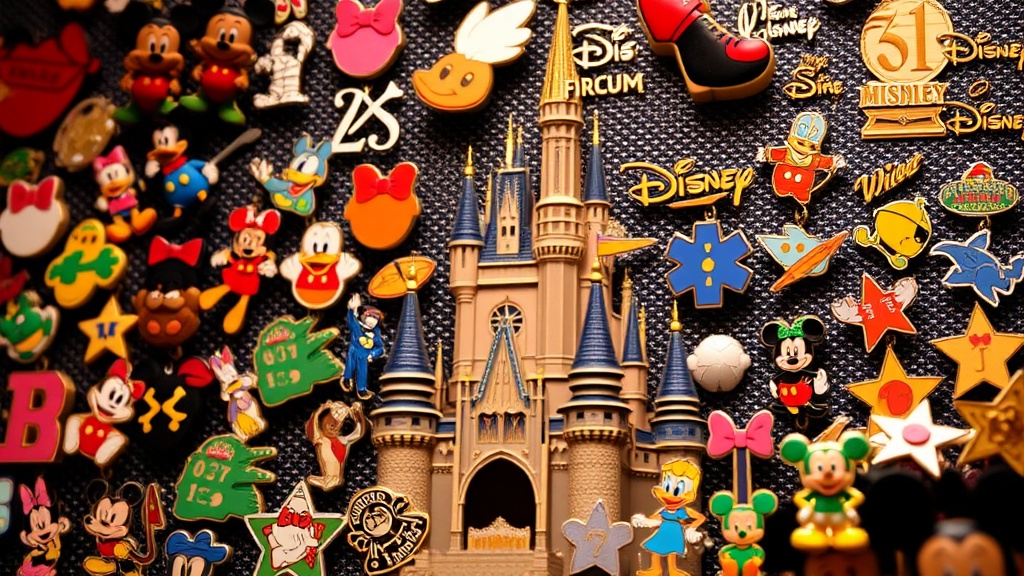
Building a High-Value Disney Pin Collection from Scratch

What You Need to Know Before Buying Your First Disney Pin
This guide covers the fundamentals of identifying, sourcing, and organizing Disney trading pins to ensure you aren't just buying trinkets, but building a collection with actual interest. You'll learn how to distinguish between common park issues and rare limited editions, as well as how to spot potential counterfeits before you spend a dime. Whether you're looking at a single character or a specific era of animation, understanding the market dynamics is the first step toward a successful hobby.
The world of Disney pin trading is much larger than it looks to the untrained eye. Most people walk into a Disney Parks shop and see a wall of colorful enamel and think it's all the same. It isn't. There's a massive gap between a $12.99 standard issue pin and a $500.00 limited edition piece. If you want to treat this as more than a casual souvenir, you need to develop a discerning eye. The market moves fast, and the difference between a "good find" and a "bad investment" often comes down to a tiny detail in the metalwork or the backstamp.
Before you start hunting, you must decide on a niche. A common mistake is trying to buy everything. If you try to collect every character, you'll end up with a disorganized mess that lacks cohesion. Successful collectors usually pick a theme—perhaps classic Mickey Mouse, a specific movie like Hercules, or even a certain style of art. Having a focus makes your collection more valuable and much more enjoyable to manage. It also makes it easier to spot when a deal is too good to be true, because you'll know exactly what your niche should look like.
How Do I Tell if a Disney Pin is a Limited Edition?
Identifying the value of a pin requires looking past the front design and checking the back. Most official Disney trading pins have specific markings that indicate their scarcity. A standard pin might just have a simple "Disney" stamp, while a high-value piece will often feature a production number (like 100/500) and a specific edition type. You should always check the official Disney Pin Trading website for the most current information on authenticated programs and rules. Without these markers, you might just be holding a common souvenir.
Watch out for "variations." Sometimes, a company will release a standard pin and then a "special edition" version with more glitter, more metal, or slightly different colors. These can be quite tricky. One way to verify authenticity is to look at the weight and the quality of the enamel. Authentic Disney pins have a certain heft and a smooth, seamless finish. If the enamel looks bubbly or the metal feels light and cheap, you're likely looking at a counterfeit or a low-quality knockoff. It's a common occurrence in the secondary market, so proceed with caution.
If you're buying from a third-party seller, always ask for a photo of the back of the pin. A legitimate limited edition piece will almost always show a clear, crisp backstamp. If the back is blank or looks poorly cast, walk away. You can often find historical pricing and authentication tips through enthusiast forums and specialized databases. One of the best ways to learn is to observe what the professionals are doing. Check out resources like Disney Collector resources to see how various pieces are categorized and valued by the community.
Where Should I Store My Disney Pin Collection?
Storage is where most collectors fail. If you just toss your pins into a plastic bin, you're asking for scratches and enamel damage. The metal edges of one pin can easily gouge the soft enamel of another. For a serious collection, you need specialized storage solutions that keep the pins separated and protected.
- Pin Books: These are great for medium collections. They have individual slots that keep pins upright and prevent them from rubbing together.
- Display Frames: If you have a standout piece, a display frame or a shadow box is a great way to show it off. Just ensure the frame is enclosed to prevent dust buildup.
- Acrylic Cases: For high-value pieces, an airtight acrylic case is the gold standard. This protects against moisture and prevents the metal from oxidizing.
When organizing, think about accessibility. You don't want to have to dig through a massive box every time you want to see your favorite piece. A structured system—whether by character, color, or release year—will make your collection a joy to maintain. If you're displaying them on a wall, ensure your lighting is indirect. Harsh, direct sunlight can eventually degrade the paint and enamel over several years, so keep your displays away from windows.
As your collection grows, the way you track it must also grow. I highly recommend keeping a digital spreadsheet or using a dedicated collection app. Note the date of purchase, the price paid, and the edition number. This isn't just for organization; it's for your own records in case you ever decide to sell. Having a documented history of your pieces makes you a much more credible seller in the future. It shows that you aren't just a casual buyer, but a dedicated collector who cares about the integrity of their pieces.
Lastly, remember that the goal of collecting is enjoyment. While the financial aspect is interesting, the real value is in the story each pin tells. Whether it's a piece you found in a small shop in California or a rare find from a trade event, treat every item with the respect it deserves. A well-maintained collection is a testament to your passion and your knowledge of the craft.