How to Start a Disney Collectibles Collection That Actually Gains Value

Why Most Disney Collections Fail (And How to Avoid It)
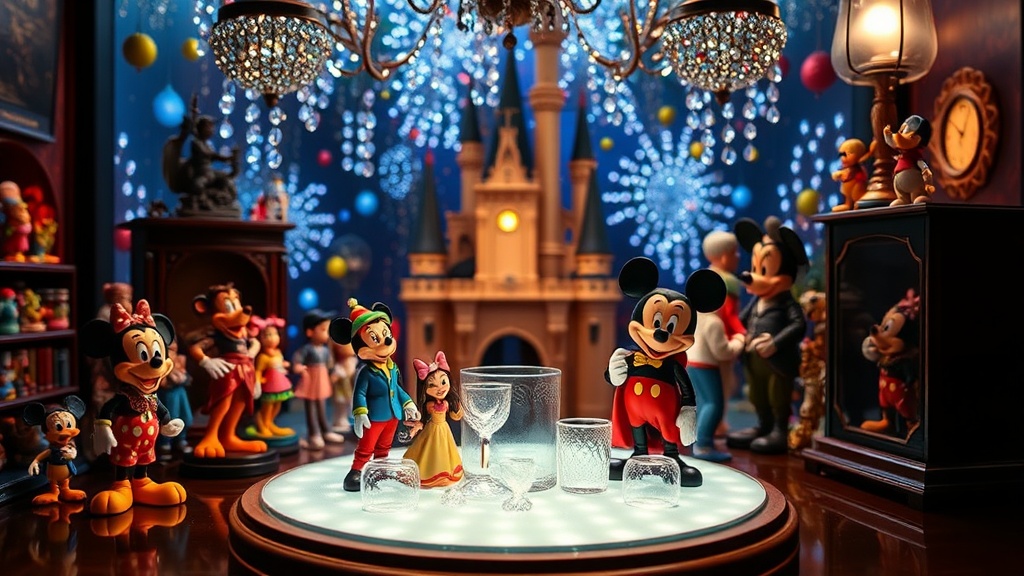
Let’s be honest—most Disney collections don’t appreciate in value. They become clutter. Shelves full of impulse buys, clearance-bin plushies, and mass-produced figures that never had a chance to become desirable.
The difference between a random pile and a real collection? Intent. Strategy. And a bit of restraint.
If you want a collection that holds (and potentially grows) value, you need to think like a collector—not a fan on a shopping spree.
Step 1: Pick a Focus (Or You’ll Burn Out Fast)
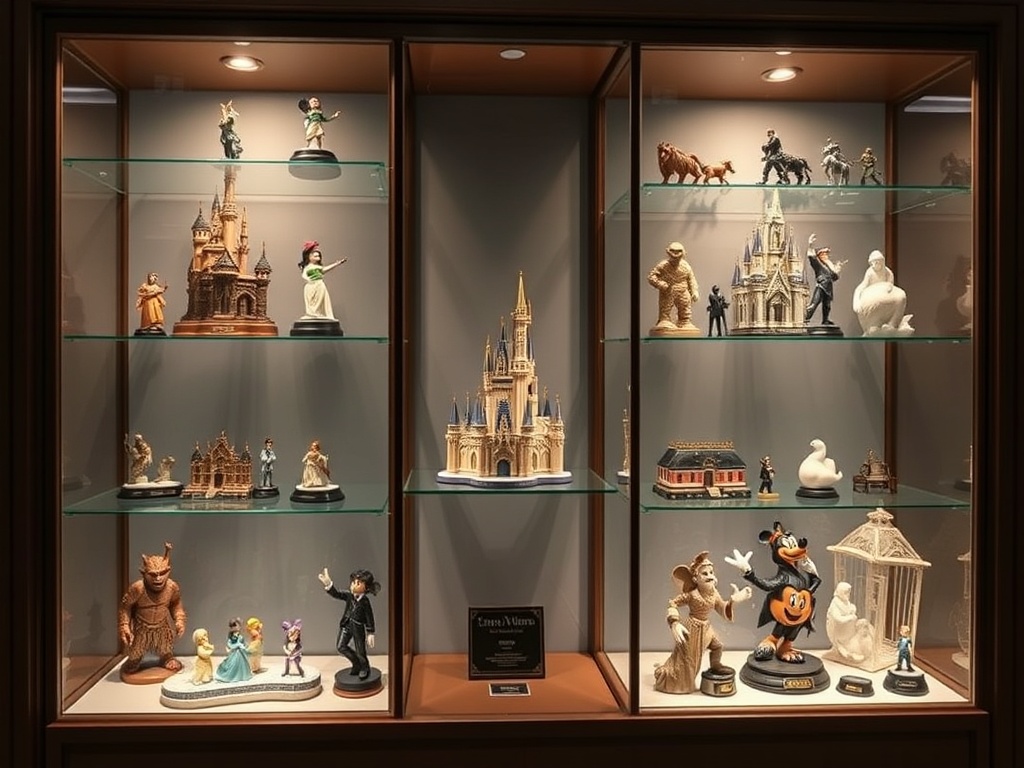
The biggest mistake beginners make is trying to collect everything. You can’t. Even seasoned collectors don’t.
Choose a lane:
- Vintage Disneyana (pre-1990 items)
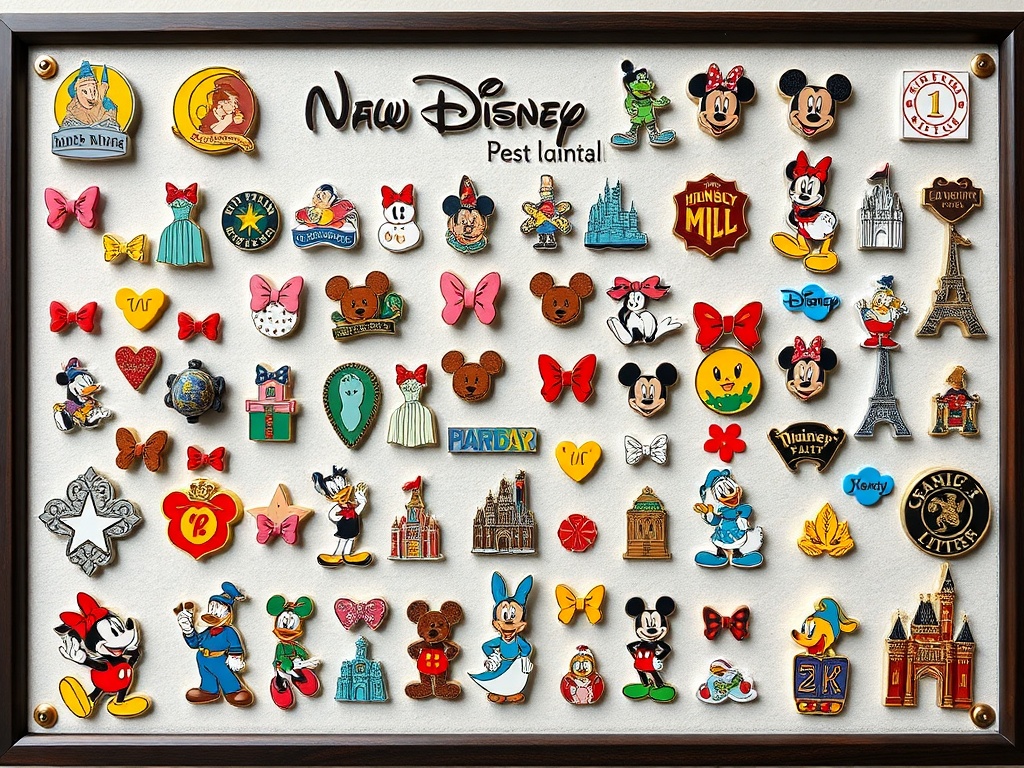
- Limited edition pins
- Theme park exclusives
- Specific franchises (Star Wars, Marvel, Pixar)
- High-end statues (like Sideshow or Hot Toys)
A focused collection is easier to manage, easier to research, and far more appealing if you ever sell.
Step 2: Learn What Actually Holds Value
Not all collectibles are created equal. Some categories consistently perform better over time:
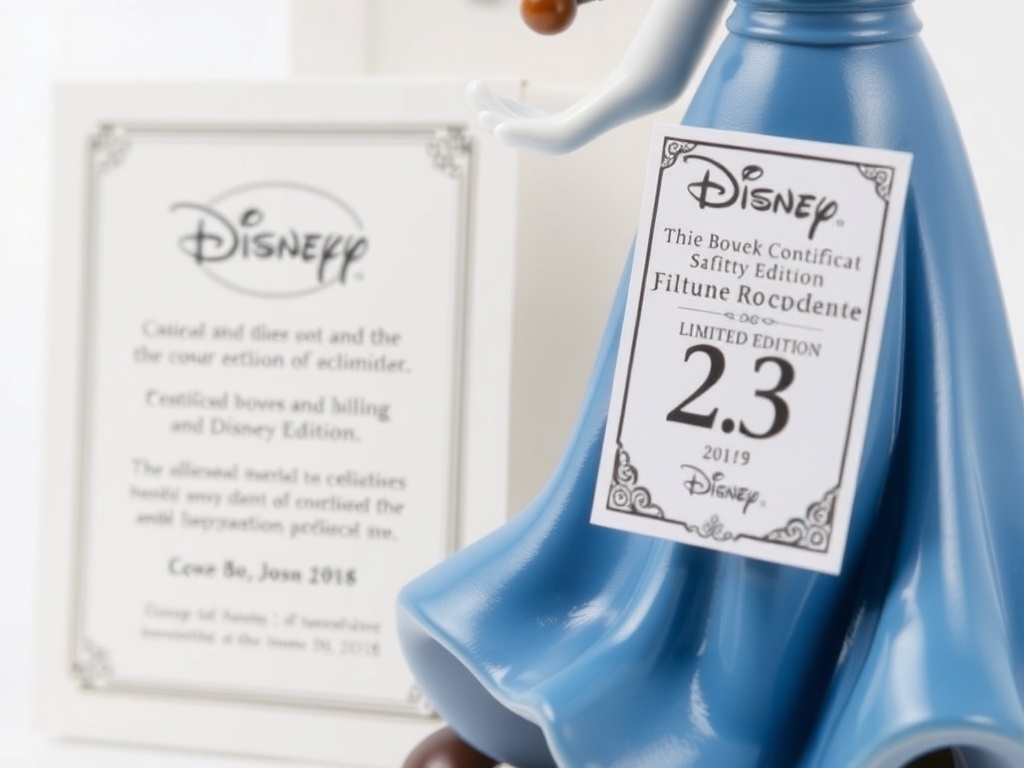
- Limited runs – numbered editions matter
- Park exclusives – especially discontinued items
- Vintage pieces – original packaging is gold
- Artist collaborations – unique designs stand out
Mass-produced items rarely appreciate. Scarcity and demand drive value—not hype.
Before buying, ask yourself: "Will this still be interesting in 5–10 years?"
Step 3: Buy Smart (Not Often)
Impulse buying kills collections. The best collectors pass on more items than they buy.
Use this rule: if it’s easy to find today, it’ll be easy to find tomorrow.
Instead:
- Track eBay sold listings (not asking prices)
- Watch collector forums and communities
- Wait for the right condition and price
Patience is your biggest advantage.

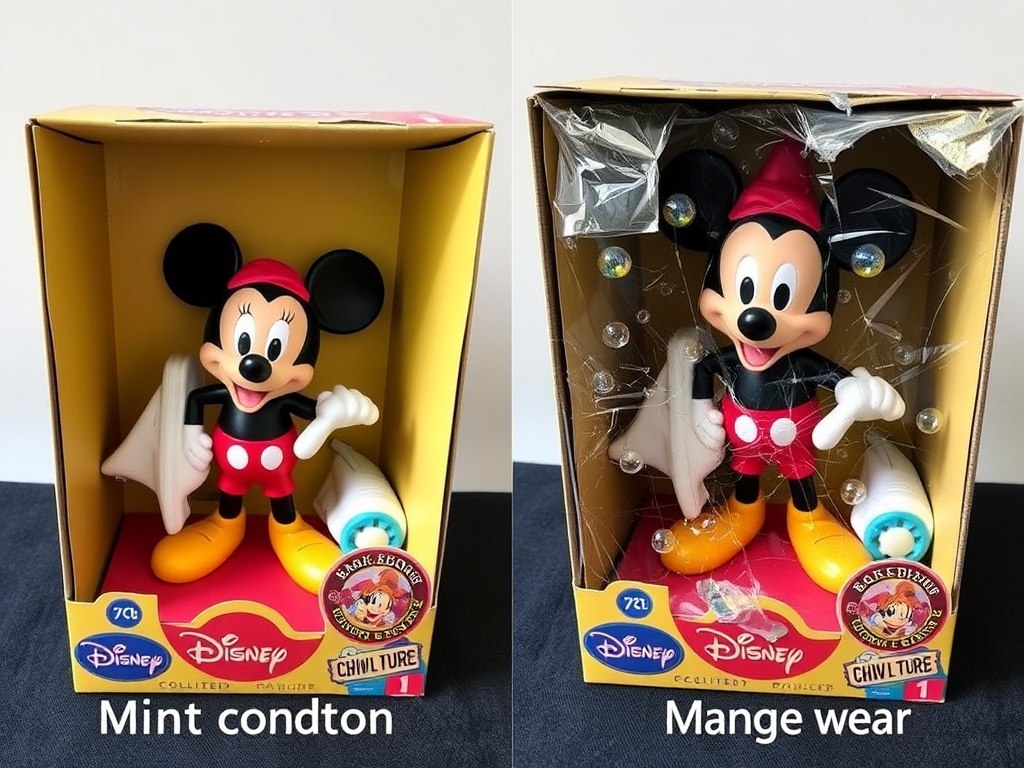
Step 4: Condition Is Everything
A rare item in poor condition can be worth less than a common item in pristine condition.
Prioritize:
- Original packaging (boxes, inserts, certificates)
- No sun damage or fading
- No chips, scratches, or repairs
If you’re buying online, always ask for detailed photos.
Step 5: Store and Display Like a Pro
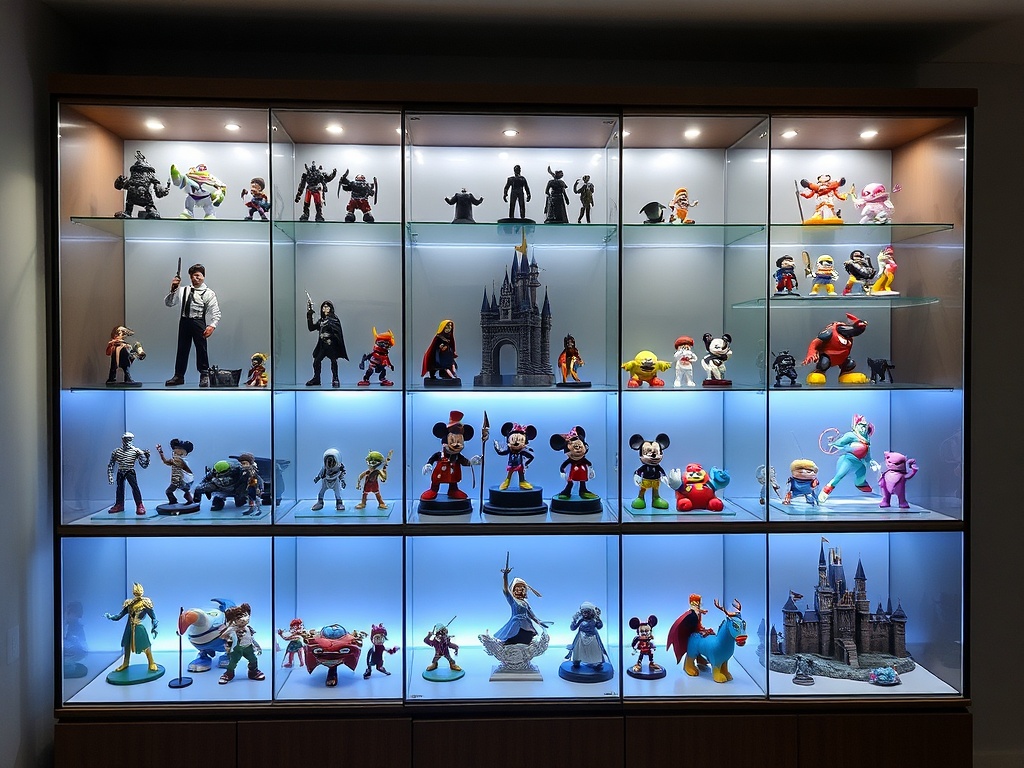
Display matters—not just for aesthetics, but for preservation.
Best practices:
- Use UV-protected display cases
- Avoid direct sunlight
- Control humidity and temperature
- Keep dust off with enclosed shelving
Your goal is to keep items as close to “mint” as possible.
Step 6: Track Your Collection (Yes, Seriously)
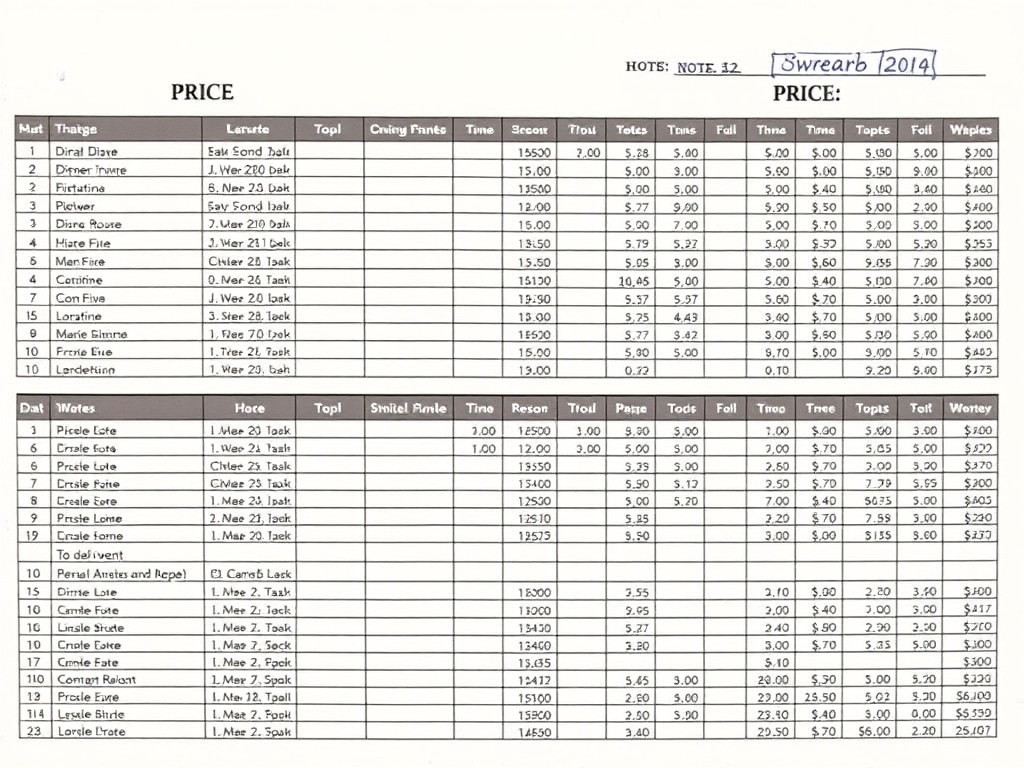
If you don’t track what you own, you’re not collecting—you’re hoarding.
Create a simple system:
- Item name and edition
- Purchase price
- Current estimated value
- Condition notes
This helps you make smarter decisions and spot trends in your collection.
Step 7: Know When to Sell (The Hard Part)
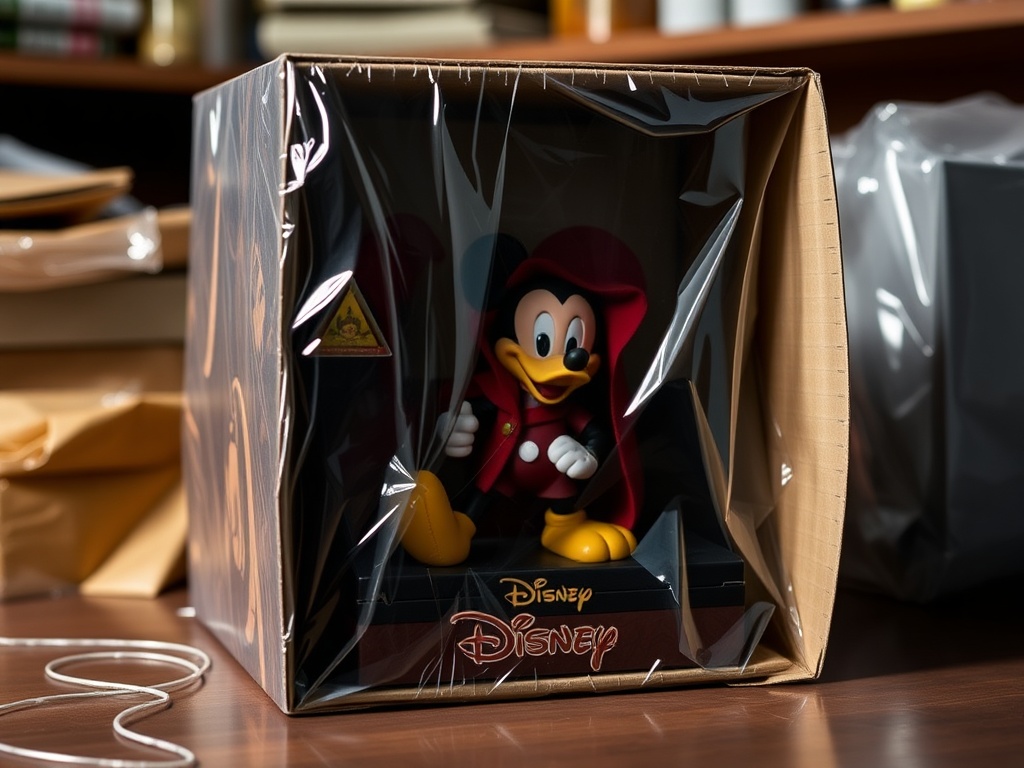
Collectors hate selling—but it’s part of building value.
Consider selling when:
- An item spikes in popularity
- You’ve outgrown a niche
- The market is saturated
Reinvesting profits into stronger pieces is how serious collections evolve.
Step 8: Build a Collection With a Story
The best collections aren’t just valuable—they’re memorable.
When someone sees your display, they should immediately understand the theme, the passion, and the intent behind it.
That’s what separates a random assortment from a collection people remember.
Final Thoughts: Collect Like It Matters
If you approach Disney collecting casually, you’ll end up with clutter. If you approach it strategically, you’ll build something that holds value—financially and personally.
Be selective. Be patient. And most importantly, collect with purpose.
Steps
- 1
Pick a Focus
- 2
Learn What Holds Value
- 3
Buy Smart
- 4
Prioritize Condition
- 5
Store Properly
- 6
Track Your Collection
- 7
Know When to Sell
- 8
Build a Story