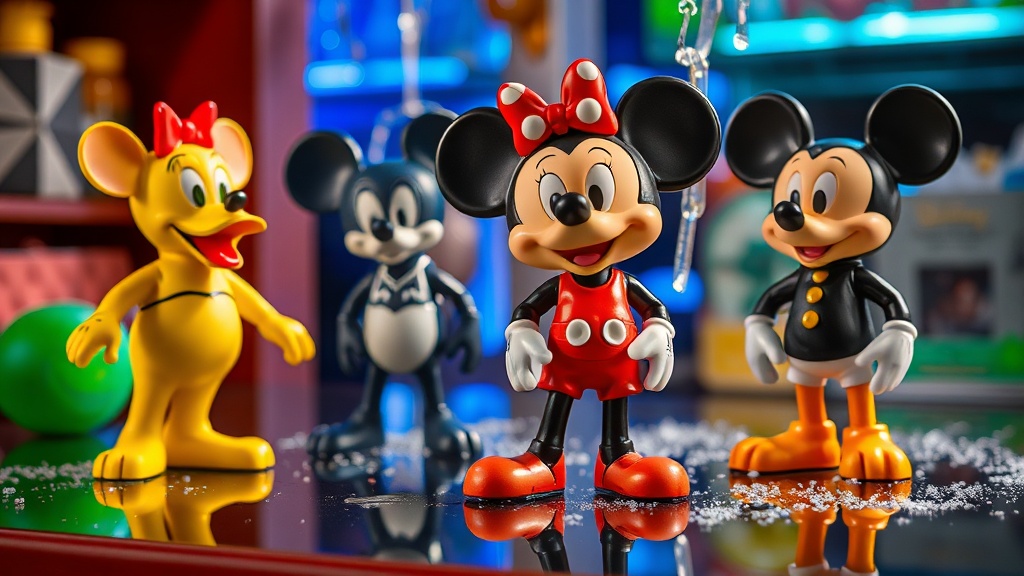
Protecting Your Rare Disney Vinyl Figures from Humidity and Moisture

Why Moisture Is the Silent Killer of Your Collection
Picture this: you just spent months tracking down a limited-edition vinyl figure from a specific Disney Parks release. You place it on your shelf, feeling that rush of satisfaction. A few months pass, and you notice a strange, tacky residue on the surface or, worse, a slight warping in the base. You haven't even touched it—but the air in your room has changed. Humidity is the invisible enemy of high-end vinyl collectibles. When moisture levels in a room rise, it doesn't just affect your comfort; it interacts with the chemical composition of the plastic, leading to "sticky figure syndrome" or even structural degradation.
Maintaining a collection isn't just about keeping things dust-free. It's about managing the environment around them. If you live in a high-humidity area, your vinyl figures are constantly under threat. This isn't a matter of if the damage happens, but when—unless you take proactive steps to control the atmosphere in your display area.
Does Humidity Cause Sticky Vinyl Figures?
Yes, it absolutely can. This phenomenon is often caused by a breakdown in the plasticizers—the chemical additives that make vinyl soft and flexible. When these chemicals migrate to the surface, the figure feels oily or sticky to the touch. High humidity and heat accelerate this process. If you keep your collection in a basement or a room with poor ventilation, you are essentially creating a greenhouse effect for your toys.
To prevent this, you need to monitor your ambient air. A simple hygrometer (a device that measures humidity) can tell you if your room is hitting the danger zone. Ideally, you want to keep your collection in a space where the relative humidity stays between 40% and 50%. If you see your numbers climbing above 60%, your Disney vinyl is at risk of becoming a sticky mess that is nearly impossible to clean without damaging the finish.
Common Signs of Environmental Damage
It is easy to spot the early warning signs if you know what to look for. Watch out for these specific indicators:
- Surface Tackiness: A slight stickiness that feels like the figure is grabbing your skin.
- Discoloration: Fading or yellowing that isn't caused by sunlight, but by moisture-induced chemical reactions.
- Structural Warping: A base that no longer sits flat or limbs that appear slightly bowed.
- Mold or Mildew: While rare for pure vinyl, any accompanying packaging or cardboard inserts can grow mold if the air is stagnant and wet.
If you notice any of these, do not immediately reach for a harsh chemical cleaner. You might end up stripping the paint or the top coat. Instead, consult resources like the Smithsonian Institution archives or specialized collector forums to see how professionals handle chemical migration in plastics.
Where Should I Display My Disney Collectibles?
The location of your display case is just as important as the case itself. Many collectors make the mistake of placing their most prized possessions near a window or an HVAC vent. While we often focus on UV light, the temperature fluctuations from a vent can cause the air around the figure to expand and contract rapidly. This constant movement stresses the material and can lead to cracks or surface imperfections.
A dedicated display case with a sealed acrylic or glass front provides a micro-environment. This helps buffer the figure from sudden shifts in room temperature and humidity. However, even a sealed case isn't a perfect shield. If the air inside the case is humid when you seal it, you are essentially trapping that moisture inside with the figure. This is why some collectors use silica gel packets inside their display cases to pull moisture out of the air.
For those looking for more technical data on how humidity affects various materials, the Environmental Protection Agency offers extensive documentation on indoor air quality and moisture control that is highly applicable to collectors. Managing your environment is a long-term commitment, not a one-time fix.
How Can I Prevent Plastic Degradation?
Preventing degradation requires a multi-layered approach. You can't just rely on one single method. You need to think about the room, the case, and the figure itself. First, ensure your room has consistent airflow. A ceiling fan or a well-placed air purifier can prevent stagnant, humid air from settling around your shelves.
Second, consider the use of a dehumidifier during the summer months or in particularly damp climates. This is the most effective way to stabilize the environment. If you are a serious collector, spending a bit more on a high-quality, airtight display case is a small price to pay for the peace of mind it brings. It creates a barrier that shields your items from the daily fluctuations of your living space.
Finally, remember that your collection is part of a larger ecosystem. If you are storing your figures in cardboard boxes in a closet, you are inviting trouble. Cardboard is incredibly hygroscopic, meaning it absorbs moisture from the air. This moisture is then transferred directly to your vinyl figures. Always move your collection from storage to display in a controlled environment, and never store them in damp areas like attics or basements.
It isn't just about the aesthetic; it's about the integrity of the item. A Disney figure that has suffered from surface melting or warping is often significantly less valuable to the secondary market. By being proactive, you aren't just saving a toy—you are preserving an investment and a piece of pop culture history.