Why Most Vintage Playboy Magazines in Your Attic Are Worth Less Than You Think

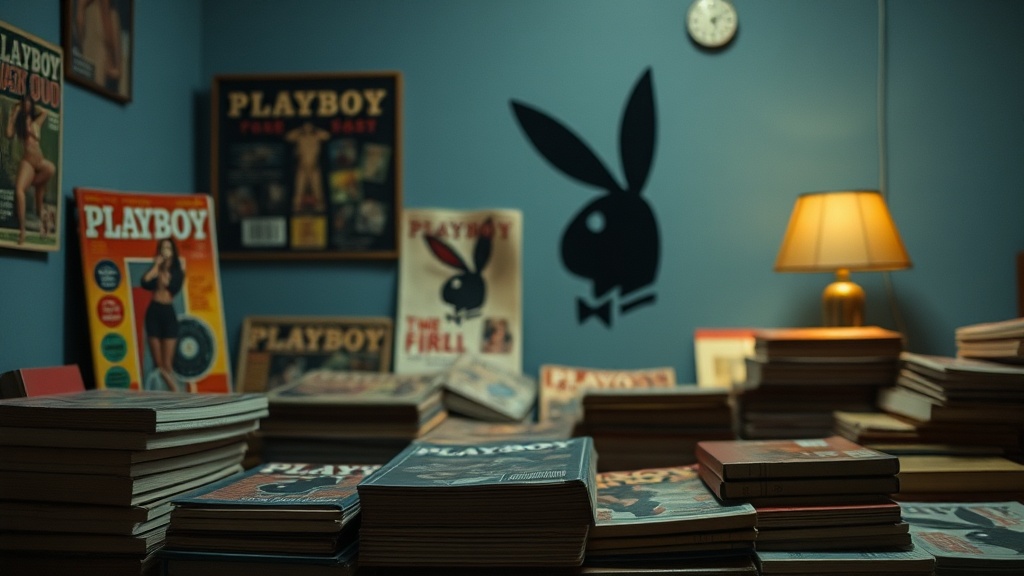
That box of old Playboy magazines tucked away in your attic—or your grandfather's basement—isn't the goldmine most people assume. We've all heard the stories: someone discovers a pristine collection from the 1960s and walks away with thousands at auction. Reality check—most vintage Playboy issues trade for pocket change. The magazine ran massive print runs for decades, and survival rates remained surprisingly high because readers treated them differently than disposable newspapers. Understanding what actually separates a $5 curiosity from a $5,000 collectible requires looking past nostalgia to the specific historical, cultural, and condition factors that drive this market.
Which Playboy Issues Actually Command Serious Money?
The December 1953 inaugural issue stands alone at the top—Marilyn Monroe on the cover, the launch of an empire, cultural lightning captured in print. Original printings in fine condition routinely trade above $2,000, with truly pristine copies fetching multiples of that. But here's what casual collectors miss—the value isn't about the centerfold or even Monroe's celebrity. It's about historical firsts, about owning the artifact that launched Hugh Hefner's publishing experiment and changed American media.
Interview issues create another value tier entirely. When Martin Luther King Jr. sat down for his January 1964 interview, the resulting issue transcended Playboy's usual audience. Collectors of civil rights memorabilia, Americana enthusiasts, and journalism historians all want that specific document. Similar premiums attach to the Lennon and Ono interviews, to Jimmy Carter's infamous "lust in my heart" conversation, to conversations with Malcolm X and Fidel Castro. These issues became primary sources for understanding 20th-century thought—valuable not despite appearing in Playboy, but because the magazine's reach allowed extended conversations impossible in mainstream outlets.
International editions complicate collecting strategies significantly. German, French, and Japanese Playboy editions featured exclusive pictorials, distinct cover photography, and cultural content tailored to regional markets. These variants had dramatically smaller print runs than American issues and limited distribution networks. A complete run of 1970s Japanese editions represents years of dedicated hunting, with individual issues trading at premiums their American equivalents never approach. Special formats—large-size anniversary issues, experimental digest versions, promotional sampler editions—attract completists who focus on publishing history rather than content alone.
How Can You Tell Original Printings from Worthless Reprints?
The reprint market has confused collectors since the 1970s. Playboy itself reprinted its first issue multiple times for promotional campaigns—anniversary celebrations, subscription drives, retail displays. These official reprints used different paper stocks, modern printing presses, and often carried markings indicating their secondary status. Third-party publishers have produced countless "commemorative editions" and "collector's reproductions" that superficially resemble vintage issues. Learning authentication isn't optional—it's the difference between intelligent collecting and expensive mistakes.
Original 1950s and 1960s issues used heavier, uncoated paper stocks that feel substantial in hand. The color registration in vintage advertisements shows distinct dot patterns under magnification—mechanical printing characteristics impossible to replicate with modern digital processes. Date codes and pricing information provide quick verification: original newsstand issues display cover prices appropriate to their era (60 cents in the mid-1960s, climbing gradually), while reprints often carry modern pricing or omit pricing entirely.
Binding methods evolved through the magazine's history, creating additional authentication markers. Early issues used saddle-stitch stapling that leaves characteristic rust patterns and paper stress marks. The transition to perfect binding in the early 1970s changed the physical profile entirely—spine width, page alignment, and opening characteristics all differ. Professional authentication services now offer third-party grading for investment-grade purchases, examining paper fiber composition, printing press identification, and provenance documentation. The Magazine Collectors Association maintains grading standards paralleling comic book evaluation—assessing cover gloss, page quality, and structural integrity on a standardized scale.
Where Do Serious Collectors Actually Find Vintage Issues?
Estate sales and attic discoveries once dominated acquisition channels, but the supply of genuinely scarce material has constricted as longtime collectors age out of the hobby. Today's serious buyers monitor specialized auction houses—Heritage Auctions and Bonhams occasionally feature vintage magazine lots alongside their comic and illustration sales. These venues offer pre-sale condition reports, provenance documentation, and buyer protections that casual online marketplaces can't match.
Online platforms require careful seller evaluation. Major auction sites host thousands of Playboy listings, but photography quality varies enormously, and condition descriptions often reflect optimism rather than accuracy. Feedback ratings matter—established dealers with return policies and authentication guarantees warrant premium pricing over uncertain bargains. Collector conventions and paper shows offer something digital marketplaces can't replicate: tactile inspection. The specific flexibility of vintage paper, the smell of aged ink, the precise character of spine stress—these sensory details reveal condition issues that photographs obscure.
Building relationships with dealers specializing in period publications yields dividends beyond immediate purchases. These specialists often contact preferred clients before publicly listing inventory, provide educational guidance on authentication markers, and occasionally broker private sales between collectors. For dedicated enthusiasts, the hunt itself becomes as rewarding as acquisition—tracking down specific issues, completing thematic runs, discovering variants unknown to price guides.
Storage and Preservation Fundamentals
Storage decisions dramatically impact long-term value. Standard plastic sleeves trap moisture and accelerate deterioration—specialized polyethylene bags with acid-free backing boards provide proper protection. Climate-controlled environments prevent the rapid paper degradation that attics and basements accelerate. For display purposes, UV-filtering frames and limited light exposure prevent cover fading while allowing collectors to showcase significant pieces. The paper stock used throughout most of Playboy's history—wood-pulp-based and inherently unstable—continues to yellow and embrittle regardless of storage, making pristine examples increasingly scarce and valuable.
Many collectors overlook the importance of inserts and advertising supplements. Those cigarette advertisements, automotive spreads, and subscription cards that readers once discarded now constitute historical documentation. Complete issues with all original inserts command premiums over "cover-only" or incomplete examples. The advertisements themselves tell cultural stories—evolving attitudes toward smoking, shifting automotive aesthetics, changing fashion sensibilities—that collectors of American social history increasingly value.
The Market for Signatures and Related Memorabilia
Autographed materials occupy a distinct collecting tier with unique authentication challenges. Playboy's cultural penetration meant countless celebrities, writers, and photographers passed through its pages. Signed copies of interview issues trade at substantial premiums—though the signature market attracts sophisticated forgeries, particularly for high-demand subjects like Monroe or Lennon. Provenance documentation—photographs of signings, witness letters, authorized event receipts—separates genuine specimens from expensive mistakes.
Beyond magazines, related ephemera attracts dedicated specialists. Original photography negatives and transparencies from major shoots occasionally surface through estate sales, with pricing based on photographer reputation and subject significance. Internal documents—fiction department rejection letters, editorial correspondence, logo design evolution—offer institutional collectors material for exhibitions about American publishing. Even promotional items, from branded glassware to subscriber premiums, carry value for completists.
The collecting community has developed sophisticated online resources. Playboy's official archives maintain documentation of significant interviews and pictorials that helps collectors identify historically meaningful issues. For transparent market data, Heritage Auctions' realized prices provide actual sales figures rather than aspirational asking prices found in general listings. These resources help collectors make informed decisions and avoid overpaying for common material misrepresented as scarce.
Collecting vintage magazines ultimately requires accepting that most examples won't fund retirement. The satisfaction lies elsewhere—in the research required to identify significant issues, the community connections formed with fellow enthusiasts, the tactile experience of handling historical documents, and the occasional discovery of genuinely important material overlooked by previous owners. Whether you're drawn to the photography, the journalism, or the period aesthetics, understanding what actually drives value transforms casual accumulation into purposeful collecting. The next time you encounter a box of old magazines at an estate sale, you'll know exactly which issues warrant careful inspection—and which belong in the recycling bin.