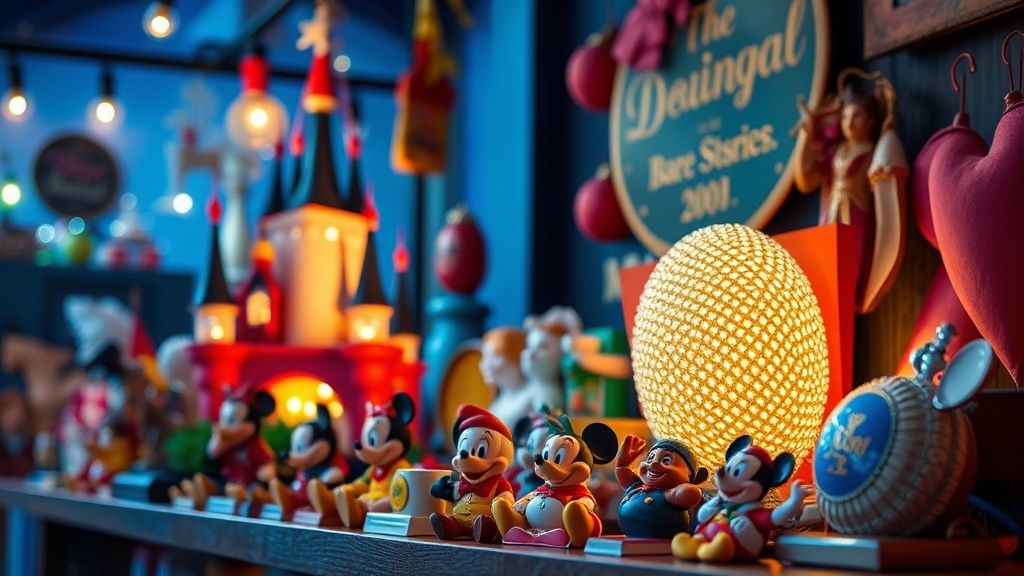
Finding High-Value Vintage Disney Items at Estate Sales

Ever wondered why some collectors find a goldmine at a local estate sale while others just walk away with a box of old kitchenware? Finding high-value vintage Disney items at estate sales requires a specific set of eyes and a deep understanding of what collectors actually want. This guide breaks down how to identify authentic vintage Disney pieces, what to look for in terms of condition, and how to spot hidden gems before the auctioneer calls the price.
What Makes Vintage Disney Items Valuable?
The value of vintage Disney items is primarily driven by rarity, production era, and the specific demand of the collector community. Items from the "Golden Age" or specific limited releases often command much higher prices than modern mass-produced merchandise. For example, a 1950s ceramic Mickey Mouse figurine is inherently more valuable than a 2020s plastic version because the supply is fixed and the history is much deeper.
When you're out in the field, you aren't just looking for "Disney." You're looking for specific markers of age. Look for materials like ceramic, wood, or heavy metals rather than modern plastics. A heavy, porcelain Belle figurine from the 1990s will almost always carry more weight in value than a modern resin version.
The demand for certain eras is also a factor. Collectors often hunt for specific aesthetics—think the "Silver Age" of Disney animation. If you find an item that features hand-painted details or older-style typography, you've likely found something worth your time. It’s not just about the character; it’s about the era of the production.
One thing to watch out for is the difference between "vintage" and "repro." A lot of companies produce "vintage-style" items today, but these lack the historical value of an actual antique. Always check the bottom of a piece for maker's marks or production dates. If you aren't sure how to handle your finds once you get them home, you might want to check out ways to preserve collectible integrity to ensure they don't degrade.
How to Identify Authentic Vintage Disney Merchandise
You can identify authentic vintage Disney merchandise by checking for specific manufacturer marks, material quality, and age-appropriate packaging. Authentic pieces from the mid-20th century rarely look like the shiny, perfect plastic items you see in big-box stores today. They often have a certain weight and texture that modern manufacturing can't quite replicate.
Here is a quick checklist of what to look for when you're scanning a shelf or a box at an estate sale:
- Maker's Marks: Look for stamps on the bottom of ceramics or etched marks on metals. Brands like Disneyana or even older, unbranded production pieces are common.
- Material Texture: Real vintage items often use materials like heavy stoneware, wood, or early-generation plastics that feel different than modern lightweight resins.
- Typography: The font used for the "Disney" logo or character names can be a dead giveaway. Older versions of the logo often have different proportions than the modern, standardized versions.
- Packaging: If the item is still in its box, look at the cardboard quality. Older boxes tend to be thicker and often show more signs of natural aging (not damage, but a patina of age).
If you see a piece of jewelry or a small accessory, don't ignore it. Sometimes a small, tarnished silver-plated piece can be a high-value find. However, you'll need to be careful about distinguishing a cheap souvenir from a true collectible. A good way to research a specific brand or era is to look up the Disneyana history on Wikipedia to see what the standard markers of that era were.
Don't be afraid to pick things up. Feel the weight. A heavy, solid feel usually points toward a higher-quality production. If it feels hollow or "cheap," it probably is.
How Much Do Vintage Disney Items Cost?
The cost of vintage Disney items varies wildly based on rarity, but most high-value estate sale finds will range from $50 to several thousand dollars depending on the item. You might find a common 1980s plush for $10, but a rare, limited-edition porcelain piece could easily fetch $500 or more at a specialized auction.
It's helpful to have a baseline of what "normal" looks like. I've put together a quick comparison of what you might encounter during your hunt:
| Item Type | Common Value (Low-End) | High-Value Potential | Key Factor |
|---|---|---|---|
| Ceramic Figurines | $20 - $40 | $200 - $1,000+ | Maker's Mark & Era |
| Vintage Plush | $10 - $25 | $100 - $300 | Condition & Tag Integrity |
| Limited Edition Pins | $15 - $30 | $150 - $500+ | Rarity & Original Packaging |
| Vintage Apparel/Shirts | $5 - $15 | $50 - $150 | Graphic Age & Print Quality |
The catch is that you can't always rely on a quick guess. A lot of people see a "cheap" looking item and walk right past it. That’s where the real money is made. A slightly weathered 1960s Mickey Mouse coin or a tarnished silver-plated trinket box might look like junk to a general estate sale-goer, but to a Disney collector, it’s a prize.
If you find something that looks promising but you aren't sure of the value, take a photo of the bottom mark or the tag and use a search engine to check recent "sold" listings on auction sites. This is the only way to get a real sense of the current market value. Don't just look at what people are asking; look at what people are actually paying.
What Should You Look for in an Estate Sale?
You should look for items in the "unorganized" sections of the sale, such as old trunks, storage bins, or even the "junk" drawers. The most valuable Disney pieces are rarely displayed front and center on a pedestal; they are usually tucked away in a box of miscellaneous household items.
When you're browsing, keep your eyes peeled for these specific categories:
- Kitchenware: Vintage Disney-themed tea sets, mugs, or even ceramic plates. These are huge in the collector community.
- Nursery Items: Old wooden blocks, mobiles, or high-quality stuffed animals from the 70s or 80s.
- Jewelry Boxes: Many high-end Disney items were packaged in decorative boxes that are themselves collectible.
- Paper Goods: Old books, coloring books, or even vintage postcards. These are often overlooked but can be incredibly valuable to certain niche collectors.
It's worth noting that condition is everything. A single chip in a ceramic Belle figurine can drop the value by 50% or more. If you find something you love, check it under a bright light. Look for cracks, fading, or heavy stains. If you're looking to start a more serious collection, understanding these nuances early is a great idea. You might want to look into how to start a collection that gains value to see how condition affects your long-term investment.
Don't be afraid to ask the estate sale organizer questions. Sometimes, they know exactly what a box contains. If you see a box labeled "Old Toys" or "Disney," don't hesitate to ask if there are any specific pieces inside. Being polite and professional can often lead to more information than just browsing the shelves.
The most successful collectors aren't the ones who spend the most money; they're the ones who spend the most time looking. The more you know about the specific details—the weight of the plastic, the scent of old paper, the way a certain ceramic feels—the better your chances of finding that one-in-a-thousand piece. Keep your eyes sharp and your eyes even sharper on the details.