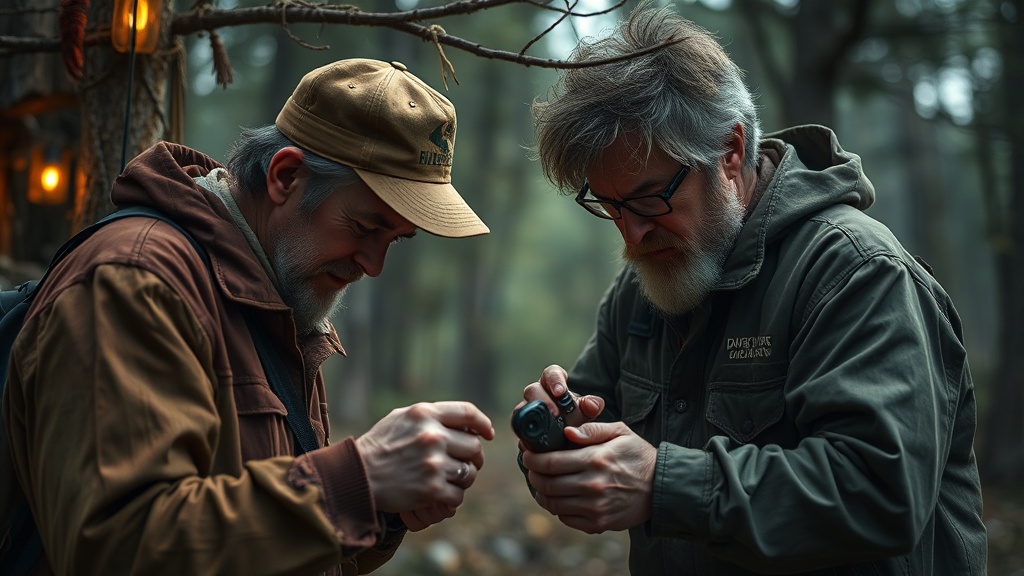
Hunting Rare Pin Trading Finds in the Wild

Less than 1% of all Disney pin releases are designated as "Limited Edition" or "Limited Release," making them the holy grail for many collectors. This scarcity drives a massive secondary market where a single piece of hard enamel can fetch hundreds, or even thousands, of dollars. This post explores the mechanics of finding high-value pins through trading and how to spot genuine rarity in the wild. We'll look at the specific locations, the etiquette of the trade, and how to verify what you're actually holding.
Where Can You Find Rare Disney Pins?
The best places to find rare pins are official Disney Parks locations, high-end trading events, and reputable online marketplaces. While many people think you have to be at a Disney Park to find the good stuff, the reality is more complex. You can find trading opportunities at various Disney-themed events or through specialized collectors' circles.
If you're looking for the high-end stuff, you need to be where the volume is. Disney's official dining and character locations often host specialized pin trading events that aren't advertised to the general public. These are the places where the real heavy hitters hang out. You might find a stray "Lanyard" pin or a rare seasonal release if you time your visit right.
The trick is to look for "Pin Trading Stations." These are the designated spots in the parks where Cast Members facilitate the exchange. It's not just about luck; it's about being in the right place at the right time. I've seen people walk away with a $100 pin just by being near a station when a high-level trader is active.
On the flip side, don't overlook the "unofficial" routes. Collectors often frequent specific hobbyist forums to track where certain series might be popping up. It's a bit of a scavenger hunt, really.
The Three Tiers of Pin Rarity
Understanding the difference between a common pin and a rare one is the first step to becoming a successful hunter. Most pins fall into one of these categories:
- Open Edition: These are produced in large quantities and are widely available at most Disney stores. They rarely hold much resale value.
- Limited Edition (LE): These have a specific production number (e.g., 2000 of a kind). They are highly sought after and hold value well.
- Limited Release: These aren't numbered, but they are only available for a short window of time. They are often tied to a specific event or movie launch.
If you don't know what you're looking at, you're just collecting metal. You need to check the back of the pin for the maker's mark and the edition number. If it's blank, it's likely an Open Edition. That's a bummer, but it's part of the learning curve.
How Do You Verify a Pin's Authenticity?
You verify a pin's authenticity by inspecting the metal weight, the enamel quality, and the backstamp markings. A real, high-quality Disney pin will feel heavy and have a clean, sharp strike on the metal edges. If the edges look soft or "mushy," you're likely looking at a counterfeit.
Counterfeit pins are a real problem in the secondary market. Scammers often use cheap alloys that feel light and flimsy. A genuine pin from a legitimate Disney source will have a consistent weight. If you buy a pin online and it feels like a cheap toy, something is wrong.
Here is a quick checklist for your next hunt:
- Check the Back: Look for the Disney logo and the year. It should be crisp, not blurry.
- Feel the Weight: High-end pins use heavier metals. If it's light, walk away.
- Examine the Enamel: Look for bubbles or uneven surfaces in the paint. High-quality pins are smooth.
- Inspect the Clasp: The pin back (the butterfly clutch) should be sturdy and fit the post perfectly.
I once spent three hours hunting in a thrift shop only to find a "Limited Edition" pin that was actually a cheap knockoff. The backstamp was a blurry mess. It taught me to never trust a "limited" claim without physical proof.
How Much Are Rare Disney Pins Worth?
The value of a rare pin depends entirely on the specific series, the edition size, and the current demand in the collector community. While a standard Open Edition might be worth $5 to $10, a rare Limited Edition can easily reach $500 or more depending on the character or theme.
The market is volatile. One day, a specific character might be "hot," and their pins will skyrocket in value. The next month, interest might shift. It's helpful to keep an eye on auction sites to see what people are actually paying, not just what they are asking.
To give you a better idea of the market spread, look at this general pricing guide:
| Pin Type | Typical Price Range | Investment Potential |
|---|---|---|
| Open Edition | $10 - $20 | Very Low |
| Limited Release | $30 - $75 | Moderate |
| Limited Edition (Small Run) | $100 - $300 | High |
| Grail Pins (Extremely Rare) | $500 - $2,000+ | Very High |
Worth noting: Don't get caught up in the hype. Just because a pin is expensive doesn't mean it's a good investment. If you're buying purely for profit, you're a speculator, not a collector. I'd suggest learning how to start a collection that actually gains value before you drop a few hundred on a single piece.
It's easy to get blinded by a shiny object. I've seen people buy "Grail" pins that turned out to be high-quality fakes because they didn't do their homework. The metal felt slightly off, but the excitement of the find overrode my logic. (Don't be that person.)
What Are the Rules of Pin Trading?
The primary rule of pin trading is to always ask permission before offering or accepting a trade. In the Disney Parks, there are specific protocols for trading with Cast Members versus trading with other guests. You should never force a trade or be pushy with your collection.
When trading with a Cast Member, you are generally limited to certain types of pins. Most importantly, you cannot trade a pin for a "gift" or "money" in a way that violates park policy. It's a social interaction, not a transaction. If you're trading with other collectors, the rules are more flexible, but etiquette still matters. Always be respectful of the person's collection.
A few quick tips for successful trading:
- Keep your best pins in a secure pouch. Don't display your most expensive ones on your lanyard in crowded areas.
- Carry a trade book. This allows people to see what you have without you having to pull everything out.
- Be ready to walk away. If a trade doesn't feel right or the quality seems low, just say thanks and move on.
The community is what makes this fun. If you're too focused on the "win," you'll miss the social aspect of the hobby. I've made some of my best friends through the trading community. We've spent hours discussing the nuances of enamel colors and metal plating. It's more than just a hobby; it's a way to connect with people who share your passion.
The catch? Sometimes the "perfect trade" never happens. You might go through a whole trip without a single meaningful exchange. That's fine. The hunt is half the fun. Whether you're looking for a specific character or just a cool design, the joy is in the search itself.